MAP
MAP SEARCH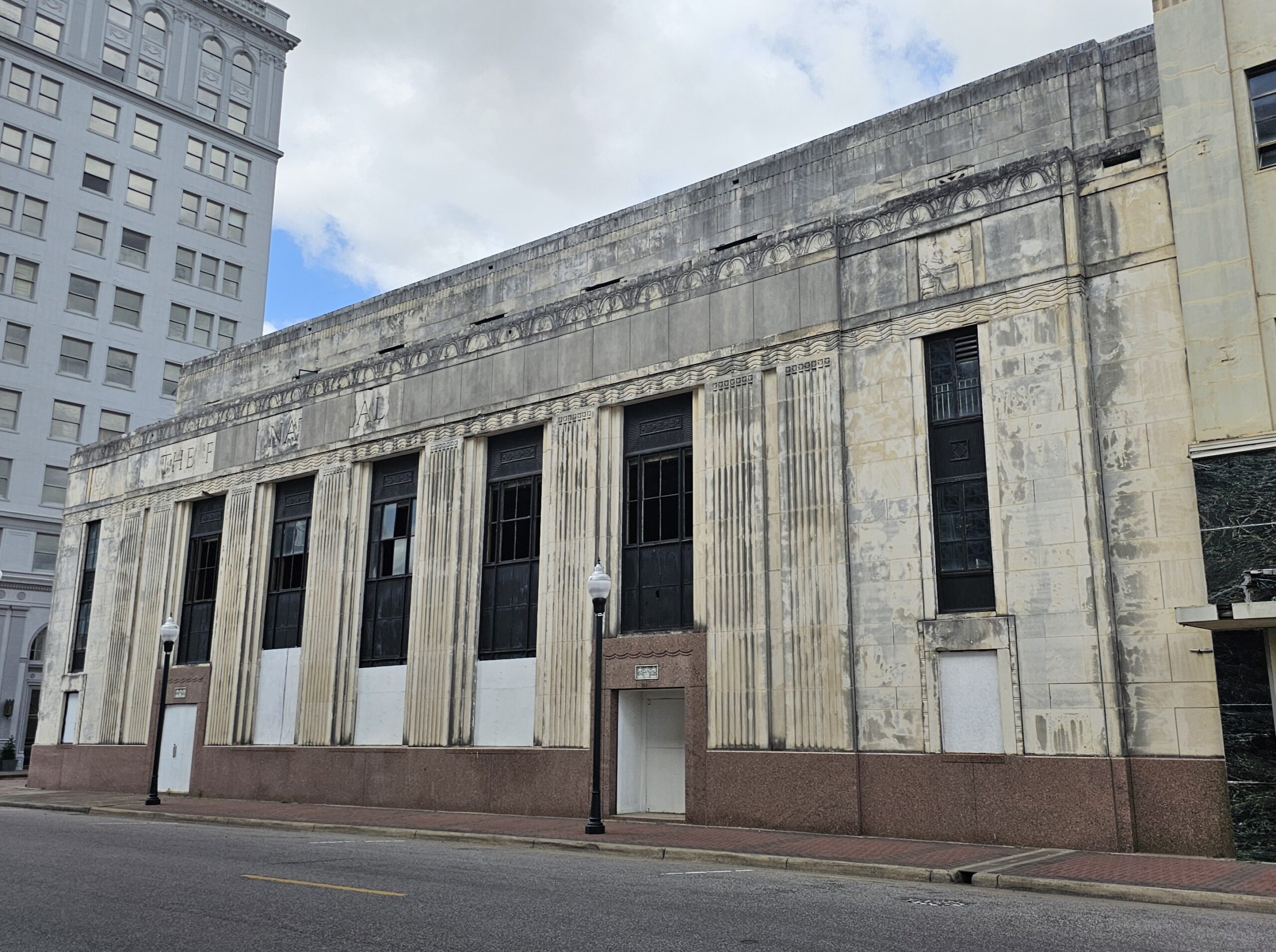
Draw a triangle in Southeast Texas — Orange, Beaumont, Port Arthur. You’ve just mapped one of the most important music regions in American history. Janis Joplin came from Port Arthur. ZZ Top and Edgar Winter came from the Beaumont area. And Clarence “Gatemouth” Brown grew up in Orange, at the triangle’s northeastern corner, absorbing all of it.
Beaumont served as the commercial and cultural center of the region. Its clubs and dance halls gave Southeast Texas musicians their first audiences and their first paydays. Brown performed throughout the region before and after his Houston breakthrough. He always called himself a Southeast Texas musician at heart. The flatlands, the refineries, the Gulf Coast humidity — all of it shaped his sound.
Where the Blues and the Bayous Meet
The Southeast Texas blues tradition runs deeper than most music histories acknowledge. It sits at the intersection of Louisiana bayou music, East Texas blues, and the Gulf Coast R&B that Houston perfected. Gatemouth Brown embodied all three. He played blues guitar but also country fiddle, jazz piano, and rock and roll. Often he played all of them in the same show. His sound could only have come from this corner of Texas.
Beaumont still celebrates that tradition today. The city’s music history connects Brown to a larger story about Southeast Texas as a seedbed of American popular music. His grave in nearby Orange speaks for one kind of legacy. His recordings on Peacock Records speak for another. But the sound itself — restless, eclectic, impossible to categorize — lives on. You hear it wherever someone tries to play everything at once and somehow makes it work.