MAP
MAP SEARCH
ADDRESS & CONTACT
Address
Fischer, TX 78623
GPS
29.9799, -98.2616
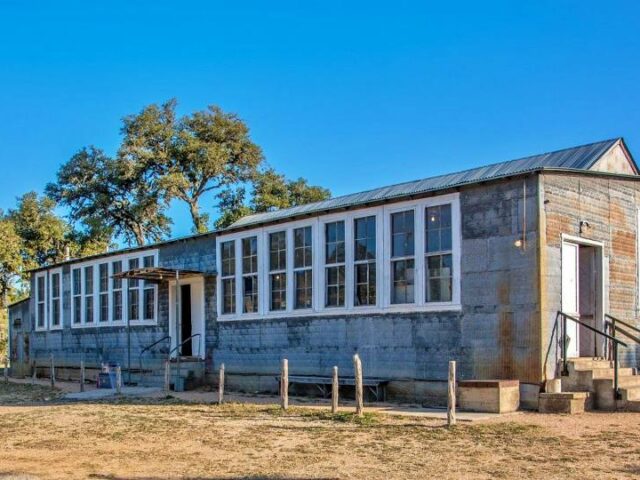
Fischer Hall sits on Ranch Road 32 in the tiny community of Fischer, Texas, about fifteen miles from Wimberley. It’s one of those Hill Country dance halls that has been gathering people since the German immigrant families of the 19th century needed a place to celebrate and play music. The Rice Festival held there — now known as Fischer Fest — became one of the early stages where a mandolin prodigy from Wimberley proved she could hold her own alongside anyone.
Sarah Jarosz began playing festivals at eleven. The Hill Country circuit was her training ground before she ever reached the national stage. Fischer Fest was where she played next to songwriters whose records she had grown up listening to — Tim O’Brien, Guy Clark, artists who had spent decades refining the craft she was just beginning to understand.
Learning by Playing
Those early festival appearances gave Jarosz something formal music education couldn’t: the experience of performing for a Texas audience that expected something real. Hill Country crowds at outdoor festivals don’t applaud out of politeness. They listen. They compare what they’re hearing to what they’ve heard before. Playing for those audiences as a teenager built the confidence that would carry Jarosz through conservatory training, major label releases, and international touring.
By sixteen she had impressed Sugar Hill Records enough to sign her first deal. The label had discovered her at a bluegrass festival in Colorado, but the stage presence that caught their attention had been built at places like Fischer Hall — small Texas rooms where music moved between generations without formality or distance.
That’s the nature of the Hill Country music tradition: it recycles itself. Older musicians teach by playing alongside younger ones. The younger ones carry it forward. Jarosz carried what she learned here all the way to the Grammy stage. She started at Fischer Hall.