MAP
MAP SEARCH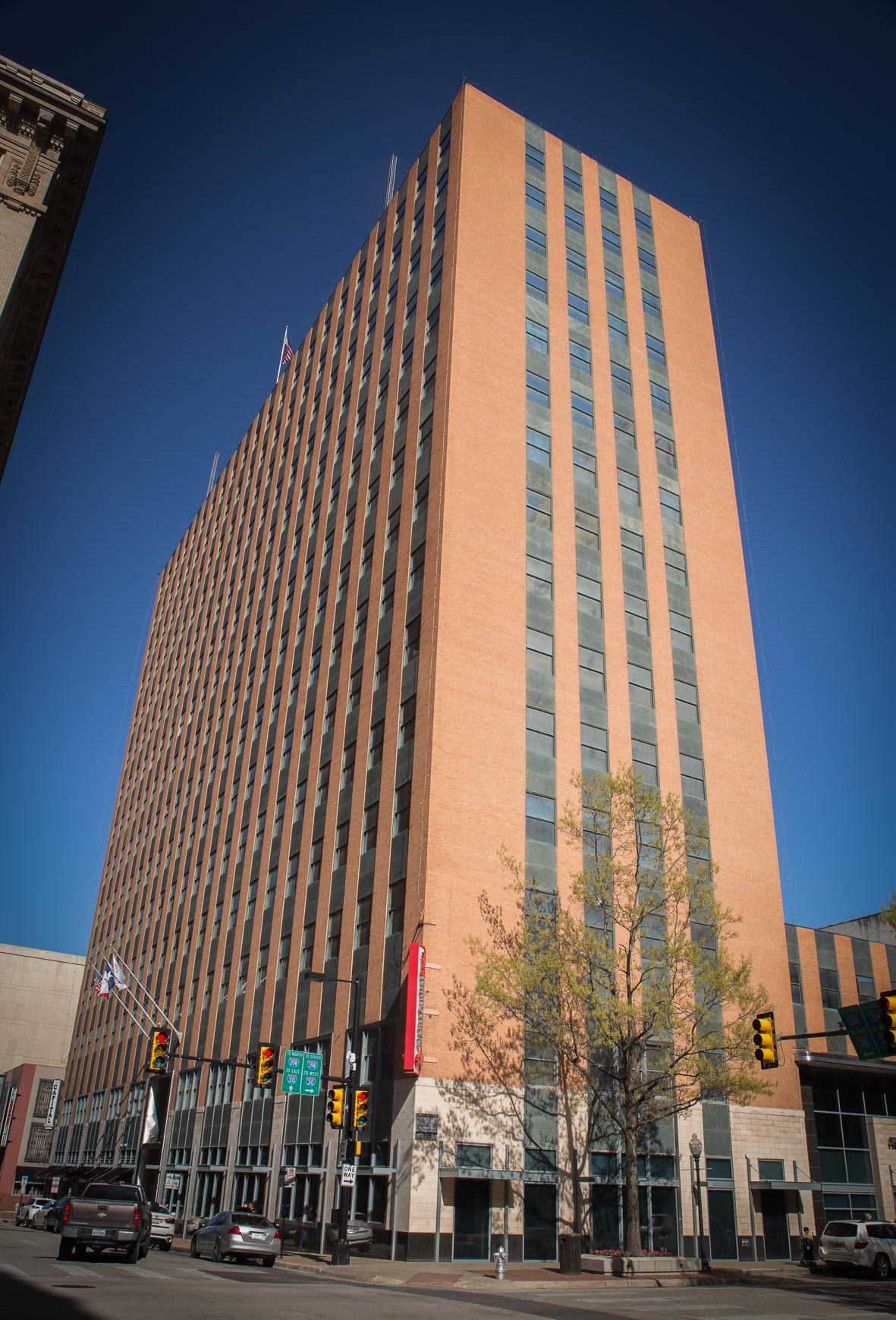
Address
Fort Worth, TX 76102
GPS
32.755516141902, -97.330760488584
Before Ella Mae Morse became a national star, she was a young girl in Tarrant County performing with her parents at local events. Her father played drums and her mother played piano. Together, the Morse family formed a small jazz combo that performed at local venues and gatherings in the Fort Worth area. Furthermore, Fort Worth in the 1920s and early 1930s was a city with a lively entertainment scene. As a result, the family had ample opportunities to perform and share their music with local audiences. Consequently, Ella Mae grew up on stage, learning the craft of performance through direct experience.
Ella Mae Morse was one of the most exciting, genre-blurring vocalists of the 1940s and ’50s. Often described as a “proto-rock ‘n’ roll” pioneer, her style directly bridged the gap between the Big Band era and the birth of rockabilly and rock. Morse’s style was defined by an effortless, high-energy blend of jazz, swing, country, boogie-woogie, and authentic jump blues. Morse was one of the first white female singers to cross over and score hits on the Harlem Hit Parade (which later became the R&B charts). Tracks like “Get On Board, Little Chillun” and her solo hit “Shoo-Shoo Baby” (which went to #1 on the R&B charts in 1943) proved her appeal spanned both Black and white audiences in a deeply segregated America.
At just 17 years old, while fronting Freddie Slack’s orchestra, Morse recorded “Cow-Cow Boogie”. The song became a massive sensation, selling over a million copies. Crucially, it was the very first gold record released by the newly founded Capitol Records, instantly putting both Morse and the label on the map.
Fort Worth: The Musical Landscape of Young Ella Mae’s World
Fort Worth was the cultural capital of Tarrant County and the broader North Central Texas region. Moreover, it had a thriving African American music scene that influenced performers of all backgrounds. In particular, Fort Worth’s jazz and blues clubs drew musicians and fans from across the area. Additionally, the city’s proximity to Dallas created a continuous cultural exchange that shaped the music of the entire region. Ella Mae Morse absorbed this musical environment during her formative years in Tarrant County.
In the interwar years, Fort Worth was a city of contrasts. On one hand, it was still shaped by its cattle and oil heritage. On the other, it supported a growing arts and entertainment culture. Furthermore, the city’s jazz scene was particularly active during the late 1920s and early 1930s. Fort Worth musicians performed regularly in the clubs and dance halls that served the city’s diverse communities. Ella Mae’s family was part of this world, bringing music to local audiences whenever they could.
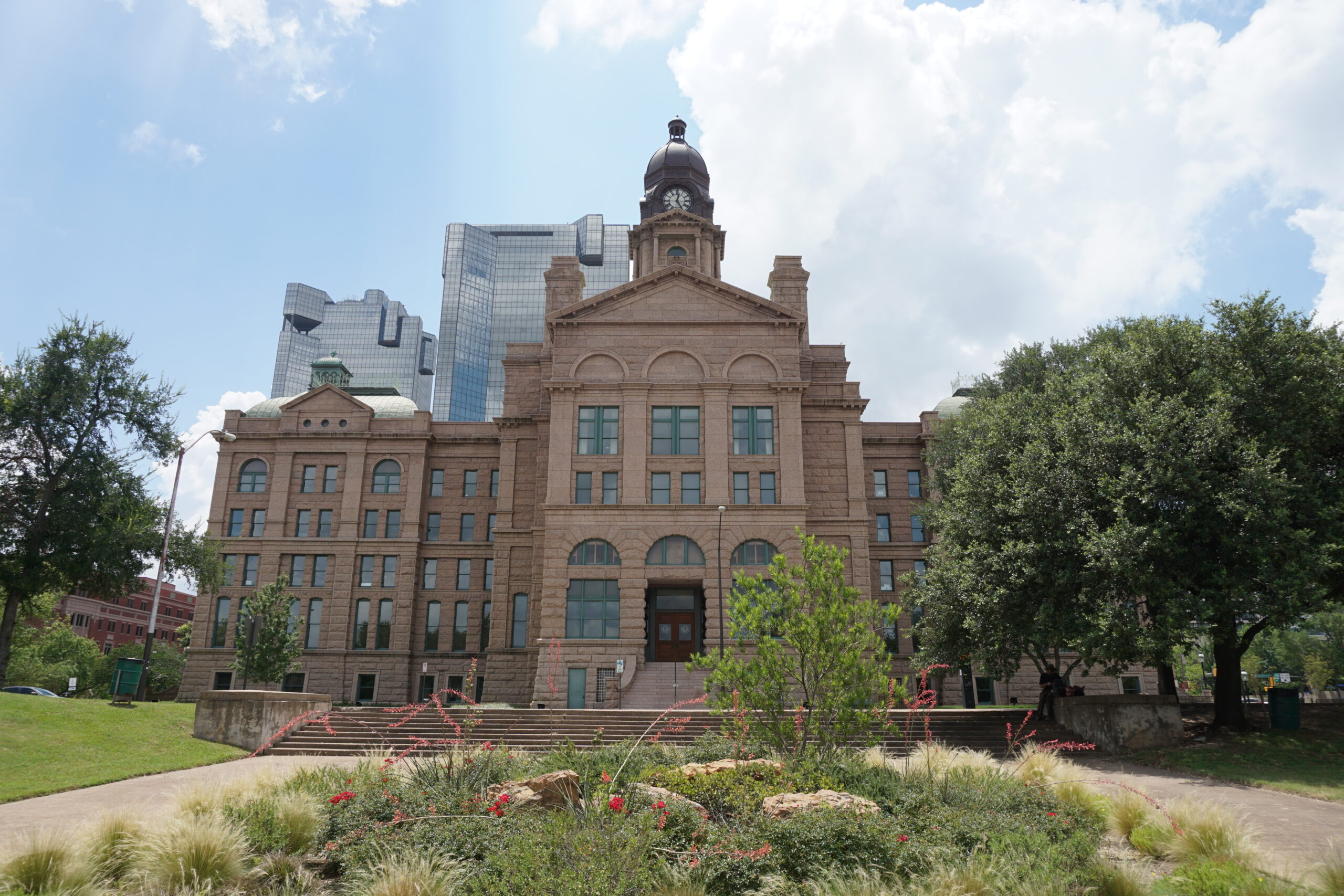
Today, Fort Worth is home to the Cultural District, the Sundance Square entertainment area, and a thriving live music scene. The Fort Worth National Bank building, listed on the National Register of Historic Places, stands as a reminder of the city’s vibrant downtown during the era when Ella Mae Morse was a young performer. Indeed, every great music career has to start somewhere, and for Ella Mae Morse, it started in the neighborhoods and parlors of Tarrant County, Texas.