MAP
MAP SEARCH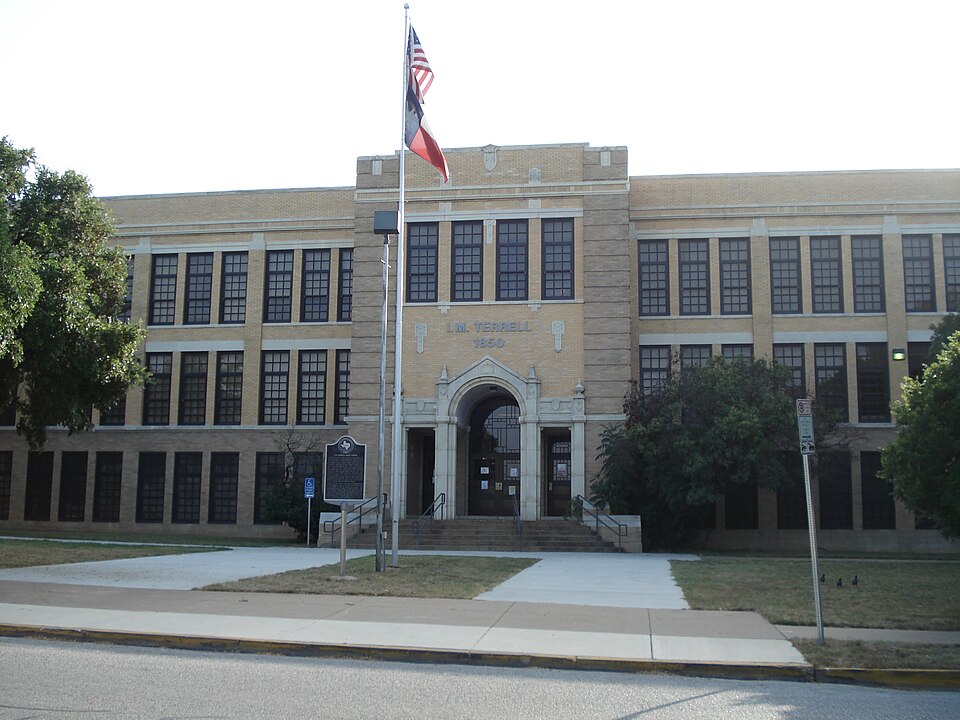
ADDRESS & CONTACT
In the late 1940s, I.M. Terrell High School in Fort Worth, Texas, was quietly assembling the future of American jazz.
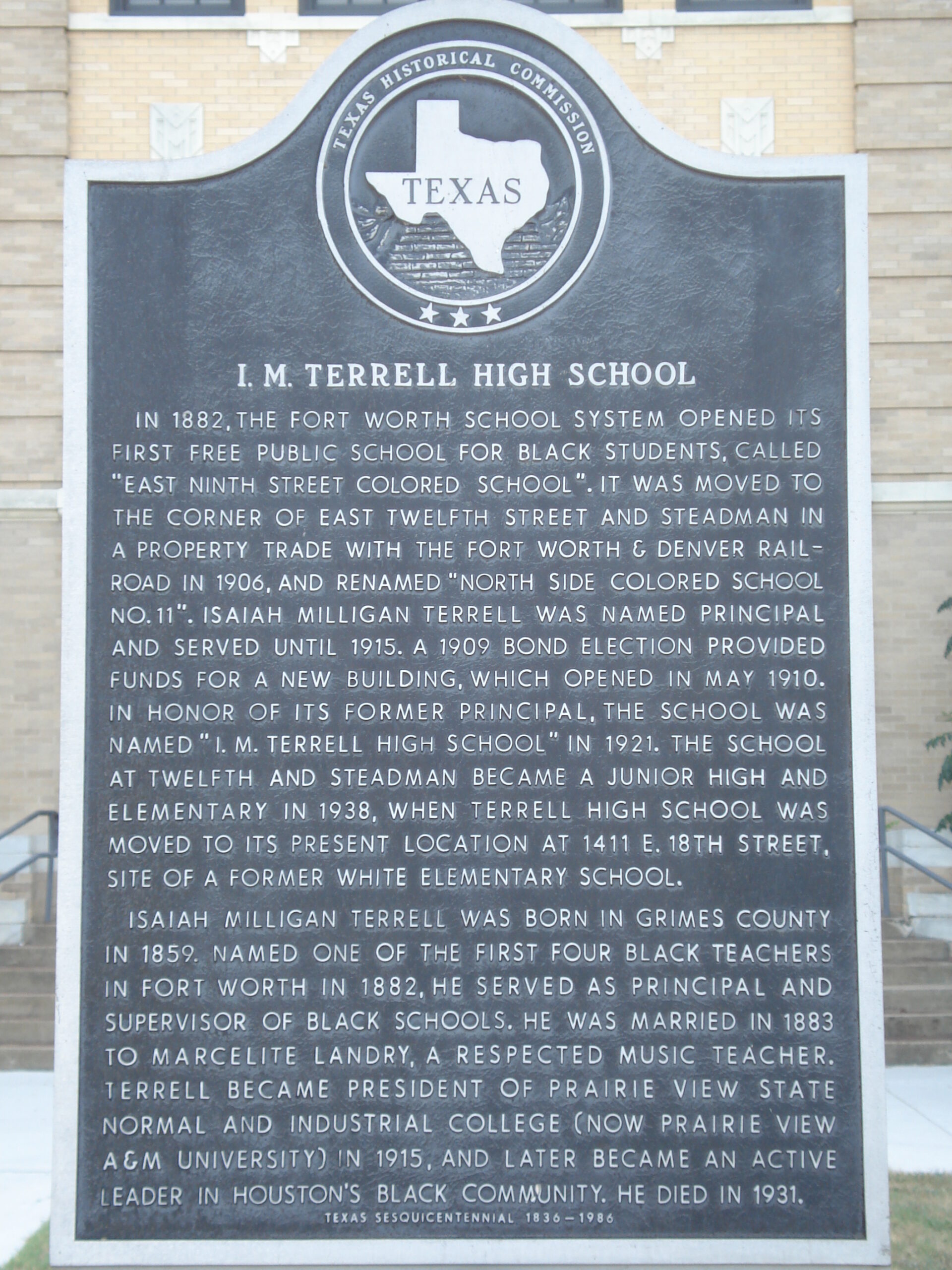
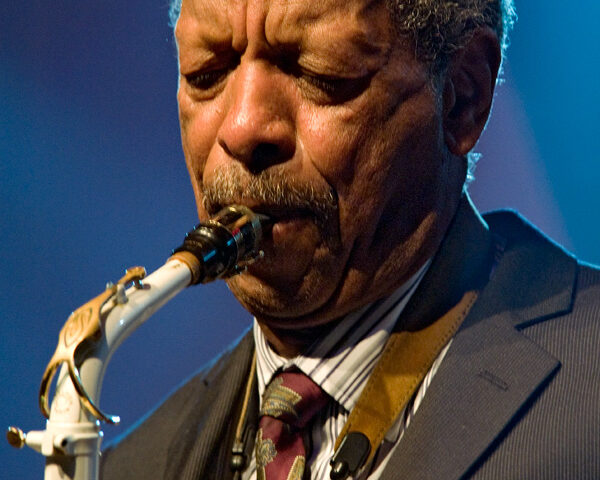
Terrell opened in 1882 as Fort Worth’s first free public school for African Americans. By the 1940s, its music program had become something remarkable. Inside those halls, Ornette Coleman studied alongside Charles Moffett, Dewey Redman, Prince Lasha, and John Carter. All five would go on to record pivotal albums and reshape modern jazz. A local saxophonist named Red Connors stressed the importance of reading music to a young Coleman. Coleman listened. He formed the Jam Jivers, a school ensemble that played assemblies and dances. And he absorbed everything the city’s touring bands could teach him.
Five Musicians, One Hallway
The coincidence seems almost too large. But Fort Worth in the 1940s had no Black alternative — every young Black musician in the city passed through these same doors. So they all found each other. Dewey Redman later recorded with Coleman, Keith Jarrett, and Old and New Dreams. Prince Lasha became a West Coast avant-garde fixture. Charles Moffett drummed for Coleman’s landmark trio in the 1960s. And John Carter led the masterpiece Roots and Folklore cycle before his death in 1991.
The school guaranteed none of it. But Terrell gave them each other. In jazz, that’s the whole game.
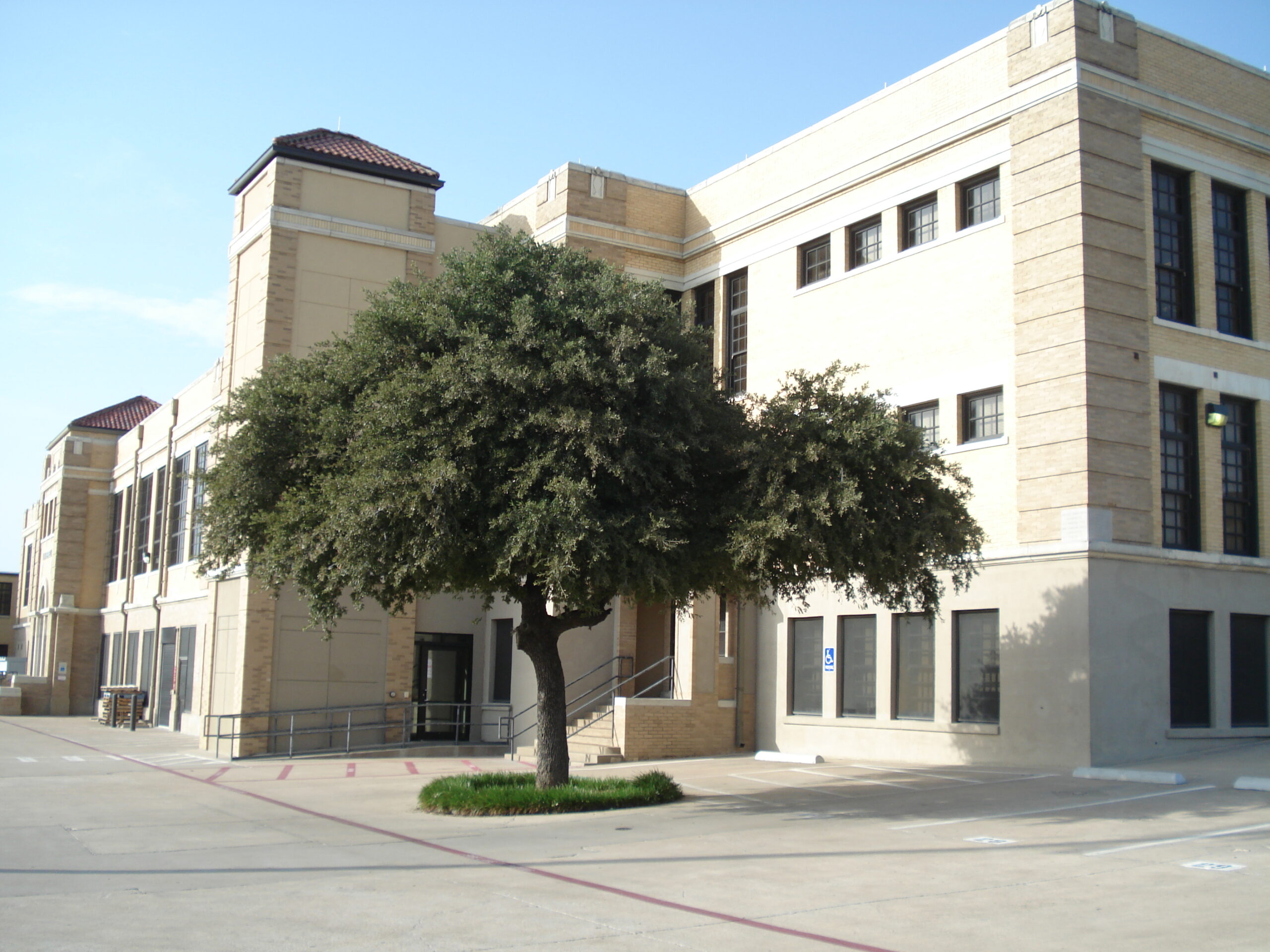
I.M. Terrell High School closed in 1973 when Fort Worth integrated its schools. The building later reopened as an elementary school. Then it became I.M. Terrell Academy for STEM and VPA, still educating students in the same North Texas neighborhood. Yet its place in jazz history belongs to an earlier era — five teenagers, one city’s forced intimacy, and music that changed everything.
For the full story of what they built together, visit the Fort Worth: Ornette Coleman listing.