MAP
MAP SEARCH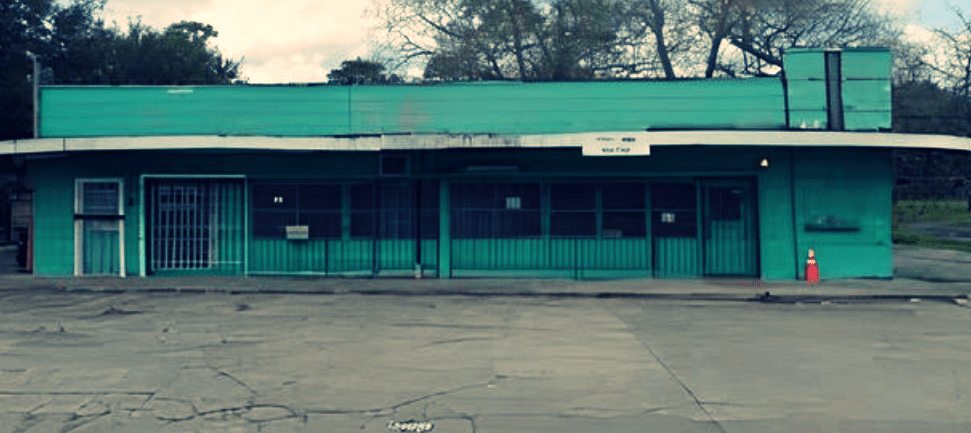
Etta’s Lounge in Houston’s Fifth Ward never made the history books the way some blues clubs do — no famous record label, no celebrated house band. The Fifth Ward blues scene was enough to make it one of the most important rooms in the city.
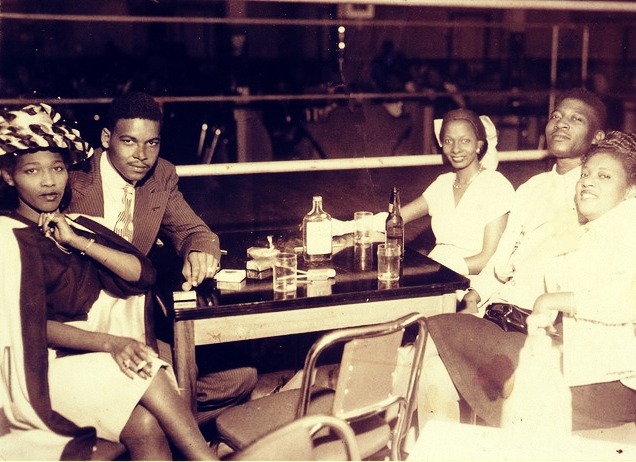
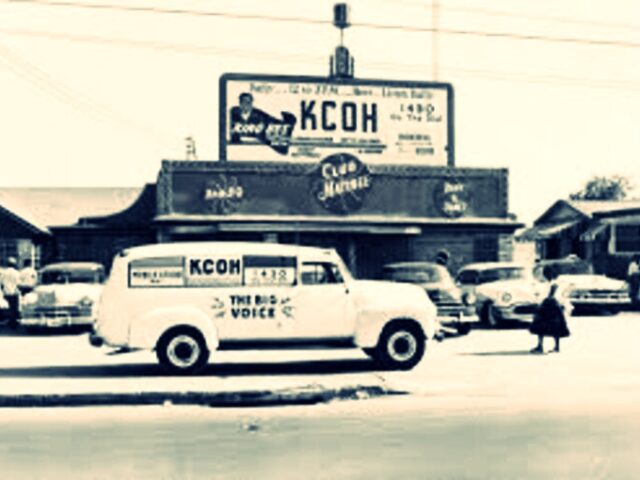
The lounge operated on Lyons Avenue in the heart of Fifth Ward, the same strip that gave Houston the Eldorado Ballroom, Club Matinee, and the Peacock Records empire. Fifth Ward in its postwar prime was one of the densest concentrations of Black-owned music venues in the South. Etta’s Lounge was part of that fabric — not the biggest room, not the most famous, but a working club on a working street.
What Fifth Ward offered a club like Etta’s was an audience that took music seriously. These were people who had grown up hearing the blues played well, who knew the difference between a musician going through the motions and one who meant it. That audience kept the standard high. Clubs that couldn’t hold up the level didn’t last. Etta’s lasted.
The clientele came for the music and the atmosphere — the kind of neighborhood room where you might run into Lightnin’ Hopkins stopping by between gigs, or a young guitarist sitting in for the experience. Fifth Ward had enough musicians living and working in the area that an informal session at Etta’s was always possible.
The lounge is gone now, like most of what made Lyons Avenue the center of Houston’s Black music world. The story of what was built here lives on through venues like the Bronze Peacock Dinner Club, where Don Robey turned Fifth Ward’s musical energy into a record label that changed American music.