
 MAP
MAP SEARCH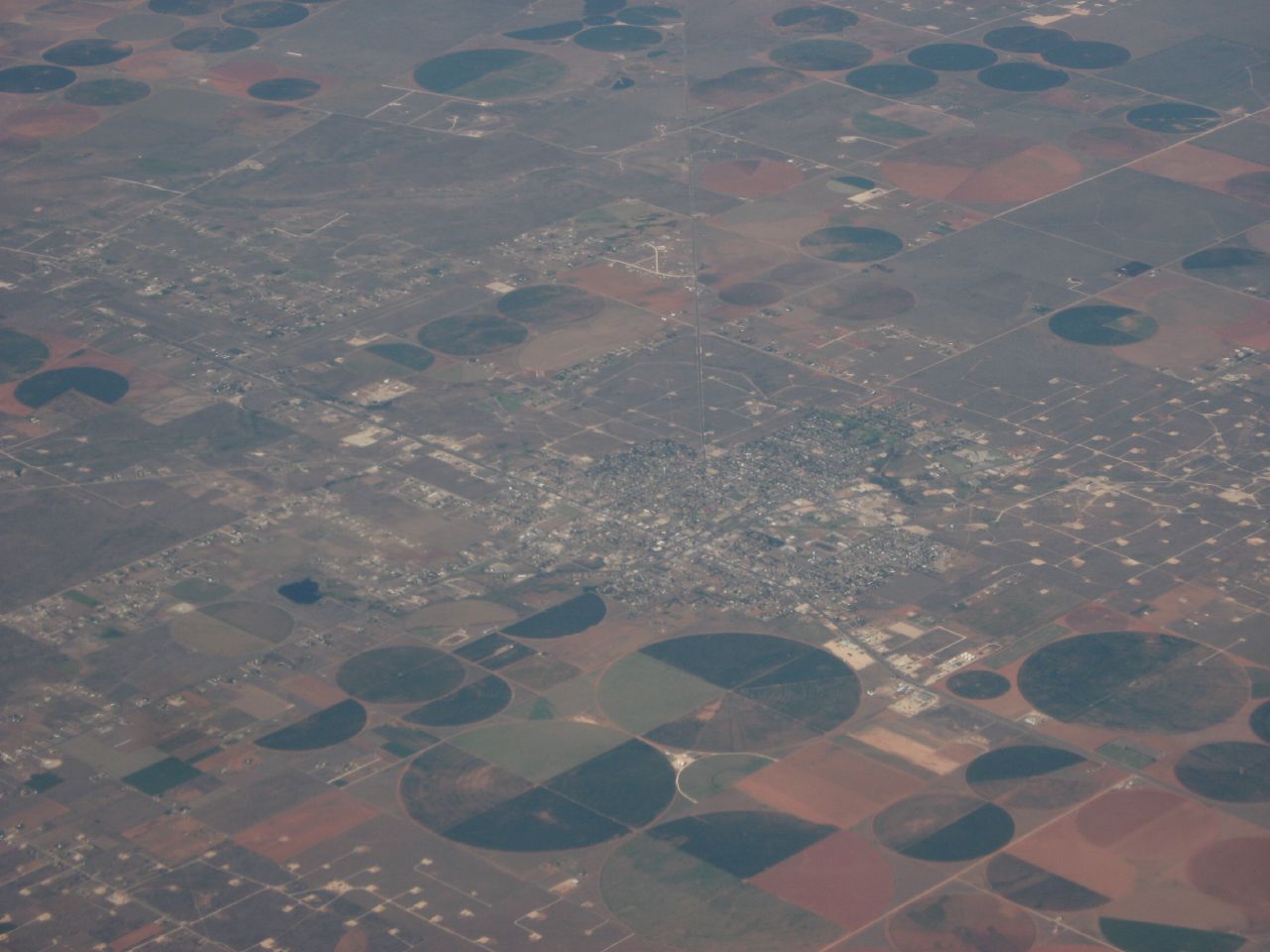
ADDRESS & CONTACT
Address
Seminole, TX 79360
GPS
32.7193, -102.6449
Seminole sits in Gaines County in the high plains of West Texas, oil country where the land is flat and the horizons go on longer than you expect. It is not the kind of place that immediately announces itself as a birthplace of legends. But on October 10, 1958, Tanya Denise Tucker was born here, the youngest of three children of Alma and Jesse “Beau” Tucker — and country music got one of the most durable careers it has ever seen.
Jesse Tucker was a heavy equipment operator who moved the family often as work demanded. They didn’t stay in Seminole long. The Tucker family landed primarily in Willcox, Arizona, where the only radio station in town played country music and the family attended concerts featuring Ernest Tubb and Mel Tillis. By age eight, Tanya had told her father she was going to be a country singer when she grew up.
Delta Dawn at Thirteen
It didn’t take long. By thirteen, Tucker had signed with Columbia Records and released “Delta Dawn,” which peaked at number six on the country chart in 1972 and made her a national sensation. Her label tried to downplay her age; when word leaked that she was barely a teenager, it only amplified the fascination. She followed with three consecutive number-one hits before she was eighteen.
Tucker became one of country music’s great outlaws — ranked ninth on CMT’s list of Greatest Outlaws, the only woman on it. Rolling Stone named her one of the 100 Greatest Country Artists of All Time. In 2023, she was inducted into the Country Music Hall of Fame in Nashville. In 2020, she won her first Grammy Awards at age 61, for the album While I’m Livin’.
It started in Seminole, Texas, in the flat oil country of the West Texas plains. A heavy equipment operator’s daughter decided she was going to sing, and she was right.