MAP
MAP SEARCH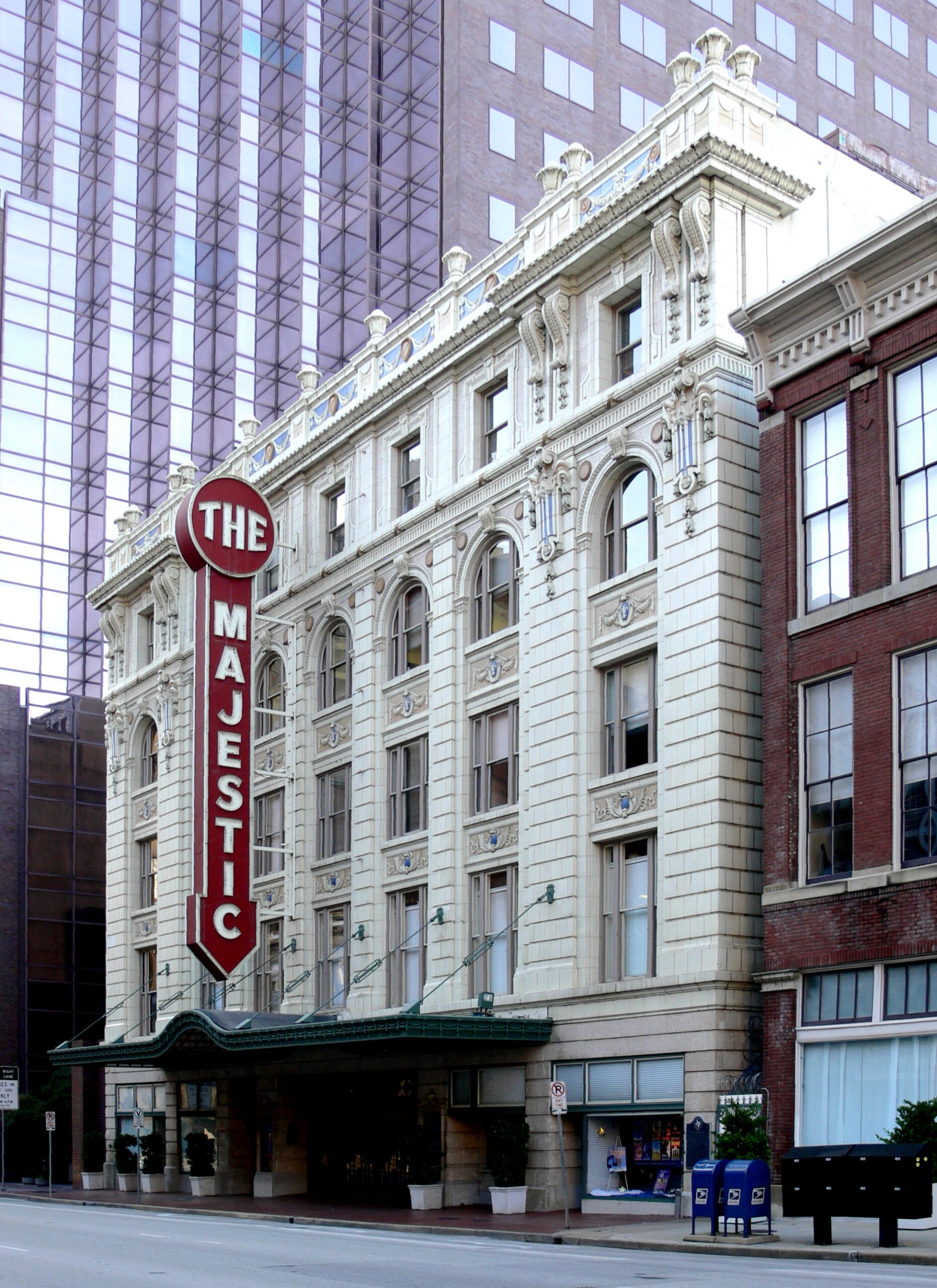
Address
Majestic Theatre, 1925 Elm St, Dallas, TX 75201
GPS
32.7817, -96.7970
In 1929, nineteen-year-old T-Bone Walker made his recording debut in Dallas for Columbia Records. He recorded under the name Oak Cliff T-Bone, a direct reference to the Dallas neighborhood where he had grown up. His first two sides — “Wichita Falls Blues” and “Trinity River Blues” — marked a genuine milestone in Texas blues history. Furthermore, the recordings demonstrated the raw talent of a young artist still growing into his full potential. Indeed, these early sides stand as a document of a crucial moment, just before Walker discovered the electric guitar and changed the blues forever.
Columbia Records regularly sent field recording teams to major Southern cities during the late 1920s and early 1930s. Dallas was a natural stop, given its large African American community and thriving blues and gospel scene. In addition, the company eagerly sought regional artists who had already built audiences through live performance. Consequently, T-Bone Walker’s local reputation earned him a place in front of the microphone. As a result, his voice and guitar reached listeners far beyond the streets of Dallas for the very first time.
From Dallas Street Corners to the Recording Studio
By 1929, Walker had already spent years honing his craft on the streets and in the clubs of Dallas and Deep Ellum. He had performed alongside Blind Lemon Jefferson and absorbed the rhythms of the Texas blues tradition. Furthermore, he had built a strong reputation in Dallas as a compelling performer who moved easily between blues, jazz, and popular songs. Moreover, his ability to entertain audiences — singing, dancing, and playing guitar with acrobatic flair — set him apart from every other musician in the city.
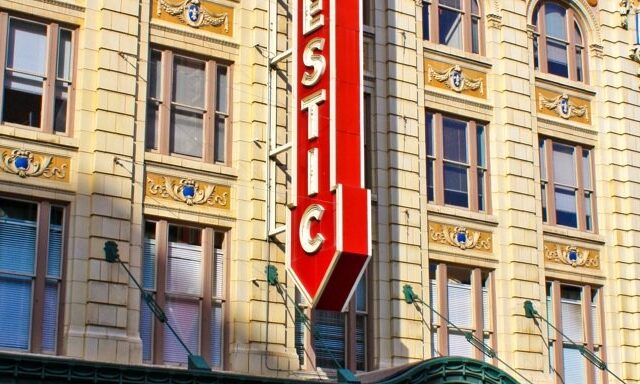
Although these 1929 recordings did not make him a national star, they confirmed his readiness for bigger stages. In the years that followed, Walker continued to develop his craft in Texas before eventually making his way to California. There, he would pioneer the electric guitar and begin the work that made him legendary. Nevertheless, the Dallas recording session of 1929 remains a crucial marker in his story. Additionally, it places Dallas firmly at the center of the larger history of Texas blues and its influence on American popular music. The Majestic Theatre on Elm Street, a hub of Dallas entertainment in that era, stands as an enduring symbol of the vibrant musical life Walker was part of as he was coming of age.