MAP
MAP SEARCH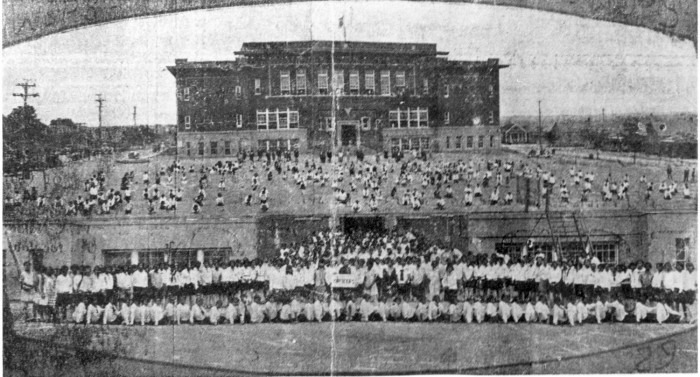
Address
4001 Ramey Ave, Fort Worth, TX 76105
GPS
32.71376306432, -97.271548854033
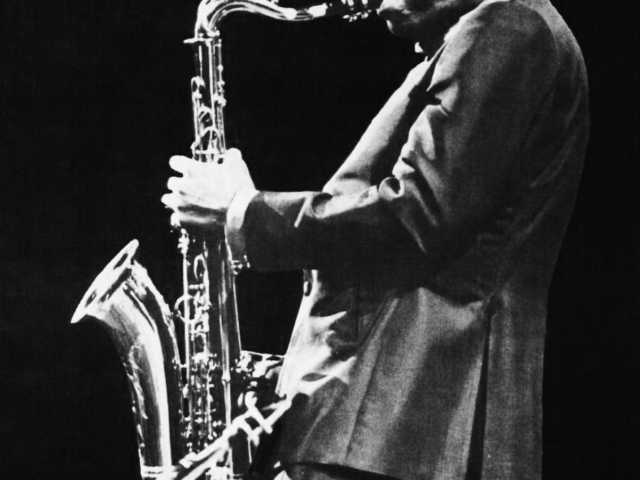
If you trace the line from King Curtis’s saxophone to the soul of American music, it runs straight through Stop Six — the historically Black neighborhood on Fort Worth’s east side where Curtis Ousley came of age.
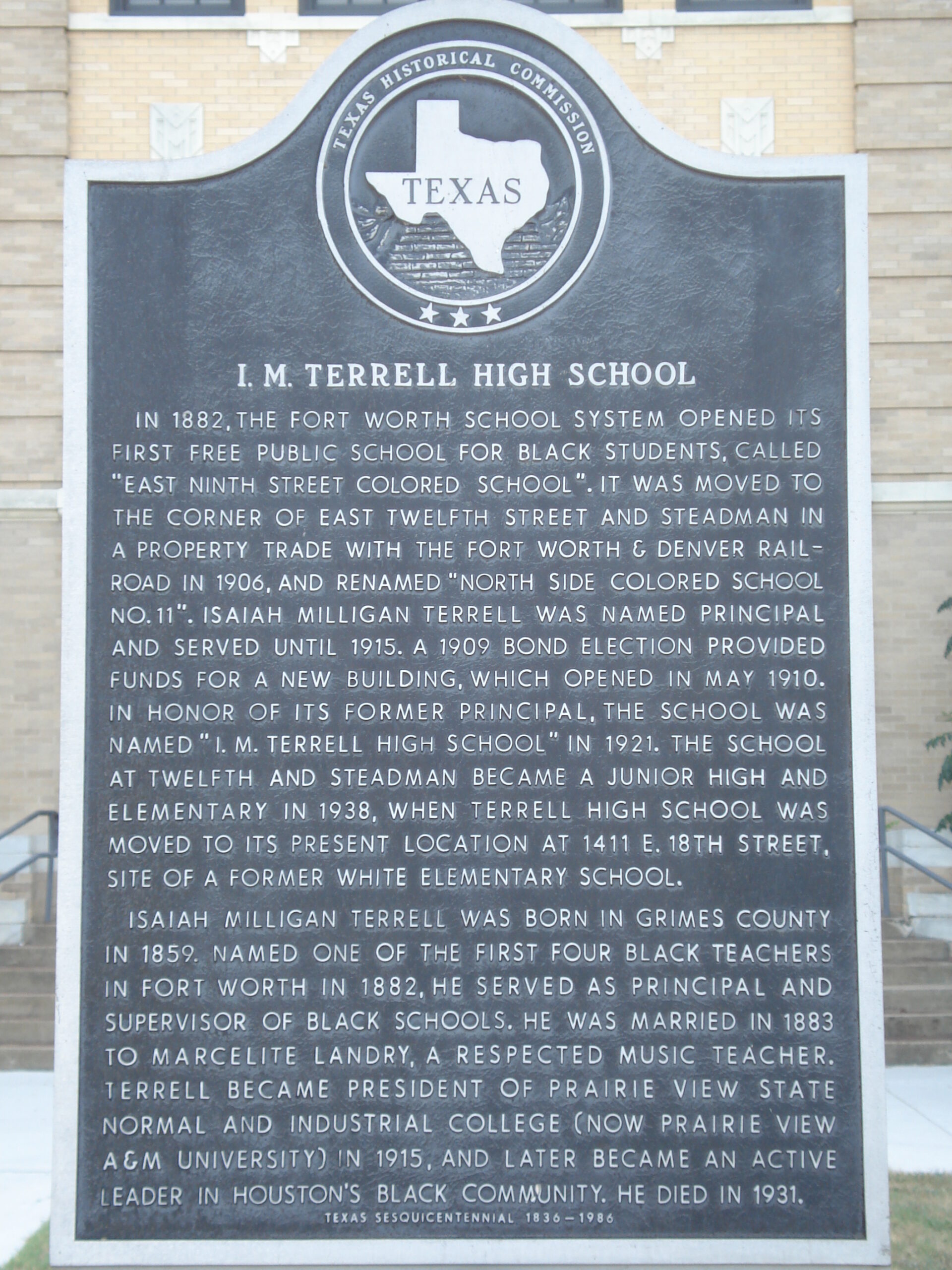
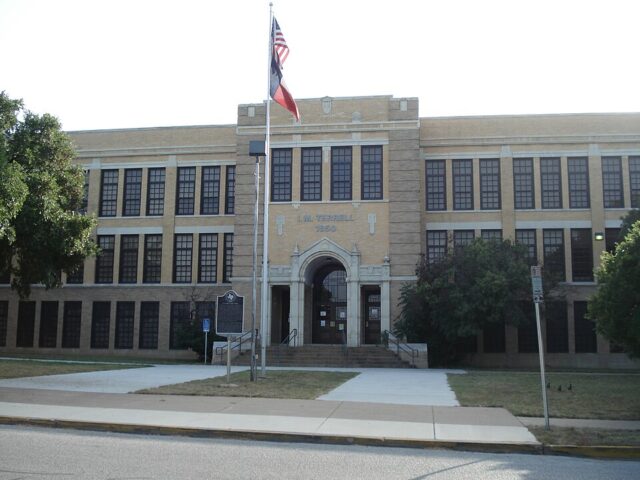
Named for its position as the sixth stop on the old Northern Texas Traction Company interurban line, Stop Six developed in the early 1900s as a community of small farms and homesteads. By the 1940s, it was something else: a neighborhood where African American families built lives, ran businesses, and raised children who would change music. King Curtis and Ornette Coleman both came from this world. Both attended I.M. Terrell High School. Both picked up the saxophone and found a way out and up.
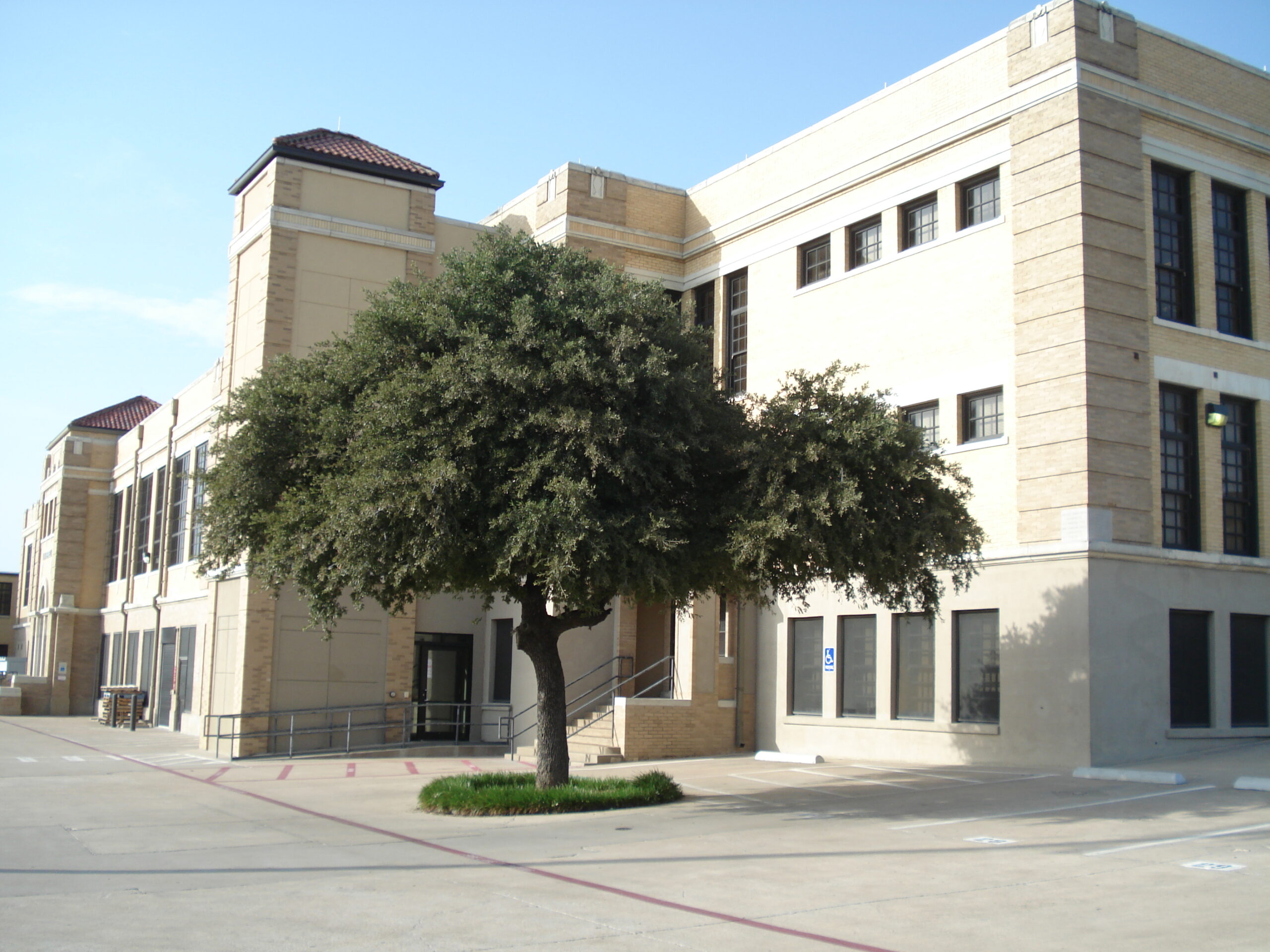
The Stop Six Heritage Center now sits at the former Dunbar 6th Grade Center on Ramey Avenue, in a building that has served the community since 1925. It holds the memory of what this neighborhood meant before highways cut through it — when it was the cultural core of Black Fort Worth. During the 1940s and ’50s, the Chitlin’ Circuit ran through Texas, and Fort Worth’s east side was one of its most vital stops. Musicians worked here. Audiences gathered. The music moved from the bandstand to the street and back again.
What Stop Six gave American music doesn’t have a full accounting yet. You hear it in the way King Curtis attacked a solo without swallowing the song. You hear it in the way he played behind Aretha Franklin without ever stepping on her. The neighborhood shaped the musician. To see where the lessons formally began, visit the I.M. Terrell Academy a short drive west.