MAP
MAP SEARCH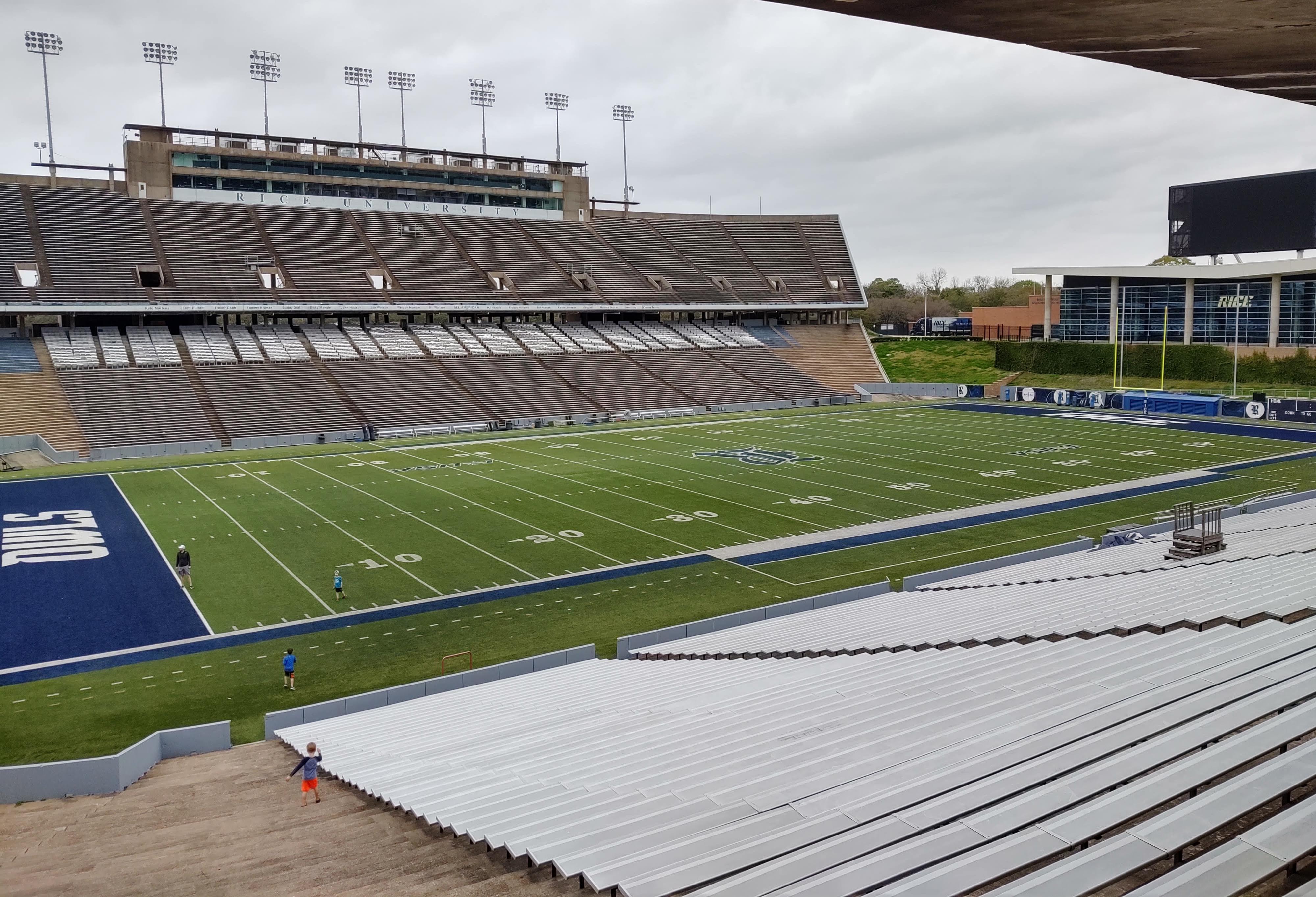
On January 13, 1974, Charley Pride sang the national anthem at Houston’s Rice Stadium. He stood before more than 68,000 fans at Super Bowl VIII. The Miami Dolphins beat the Minnesota Vikings that afternoon, 24–7. But Pride owned the pregame. After eight years of breaking every barrier in country music, he had arrived at the biggest stage in American sports.
By 1974, Pride had crossed every obstacle the industry placed in front of him. He was the first Black artist to play the Grand Ole Opry since DeFord Bailey in the 1920s. He also became the first to achieve sustained mainstream country success. Radio stations first rejected him, then relented, then made him a star. Now he was the national anthem at the Super Bowl. That kind of arrival, you don’t plan — you earn.
Rice Stadium, 1974
Rice Stadium opened in 1950 as the home of Rice University football. Super Bowl VIII was the second championship game the stadium hosted — Super Bowl VII had also been played there, one year earlier. Workers demolished the stadium in 1997 to make room for new campus construction. But the performance survives: a country legend at his peak, in a Texas city, before the world.
Pride went on to more awards and more number-one hits after that January afternoon. He also became the first Black artist the Country Music Hall of Fame inducted. But the Houston crowd that day wasn’t there for a story about firsts and barriers. They heard the voice — the one that had already carried all the way to San Antonio and back. That was enough.