MAP
MAP SEARCH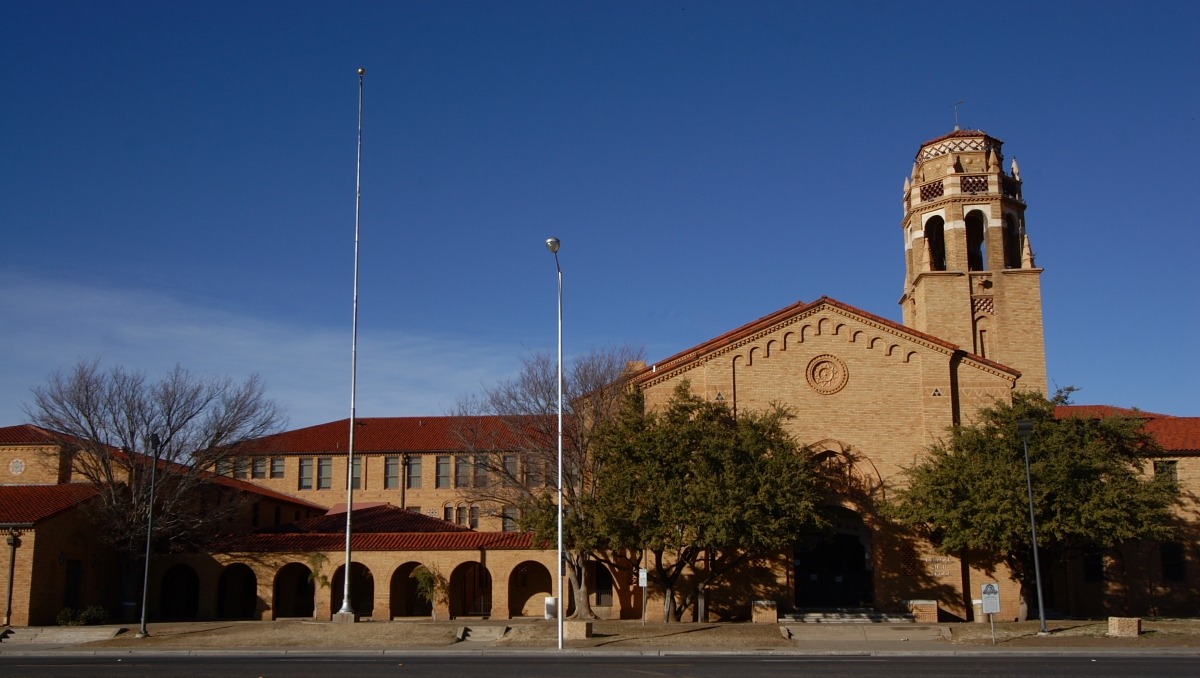
Address
2902 Joliet Ave, Lubbock, TX 79415
GPS
33.553340069875, -101.87144478206
Monterey High School in Lubbock is where Joe Ely’s defiant relationship with authority first made itself known. The young Ely was expelled from Monterey High School for performing “Cherry Pie” — the 1954 R&B hit by Marvin & Johnny — at a school assembly. In the Lubbock of the early 1960s, that brand of rhythm and blues was considered morally suspect, and the administration made sure Ely knew it.
The expulsion didn’t slow him down. After leaving school, Ely spent years drifting across the Southwest, hitching rides with strangers and picking up songs the way other people pick up souvenirs. He rode freight trains through West Texas, joined a traveling circus briefly, and lived out the same itinerant life that would later fill his lyrics. When he finally returned to Lubbock, he connected with Jimmie Dale Gilmore and Butch Hancock to form the Flatlanders in 1972 — one of the most beloved and influential bands in Texas music history.
Monterey High School today remains an active campus in west Lubbock, still serving the neighborhood where Joe Ely grew up. Its unlikely place in rock and roll history — a well-timed expulsion that sent a future Texas legend out into the world — is a reminder that sometimes the most important education happens far outside the classroom.
Terry Allen and the Red Bird
Ely wasn’t the only Monterey student who would reshape Texas music. Terry Allen was also in those hallways. So were Jimmie Dale Gilmore, Butch Hancock, Jo Harvey Allen, and Jo Carol Pierce. They all came up together in Lubbock in the late 1950s and early 1960s. The first musician Gilmore ever saw perform original music was Terry Allen. It happened at Monterey, at a piano. Allen played a song he had written himself: “Red Bird.” “I always knew I was destined to write songs,” Gilmore said later. “But I thought you had to be really old to be a songwriter. Terry was the first person I saw perform original music.” That moment echoed through decades of Texas music. The Lubbock sound is now a recognized chapter in American music history. It started in this building.