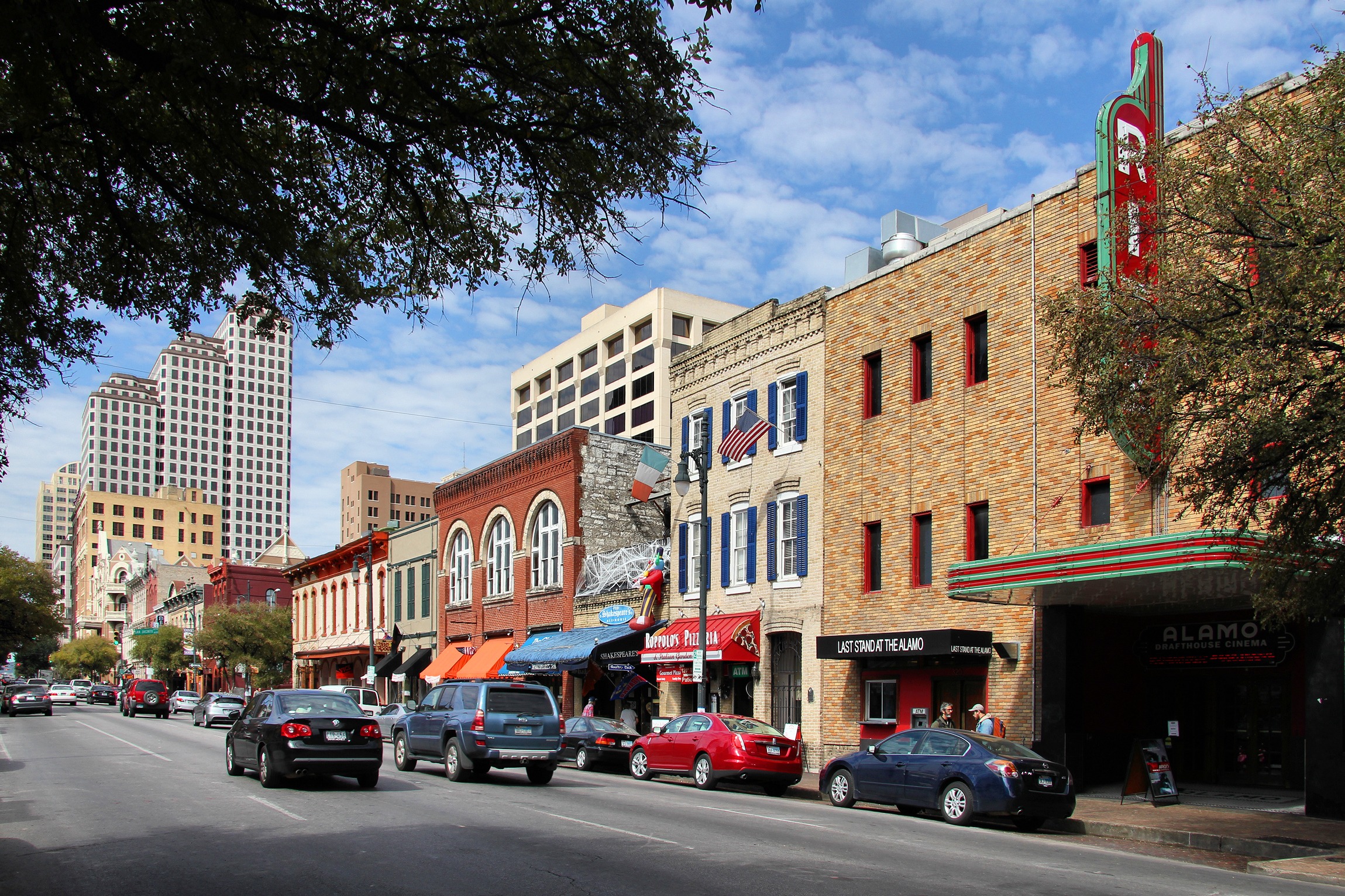
In 1983, Alejandro Escovedo formed the True Believers in Austin, blending punk and Texas rock into one of the most beloved bands in the city's history.
Born in San Antonio in 1951, Alejandro Escovedo came from a legendary musical dynasty — brothers Pete and Coke Escovedo, and niece Sheila E.
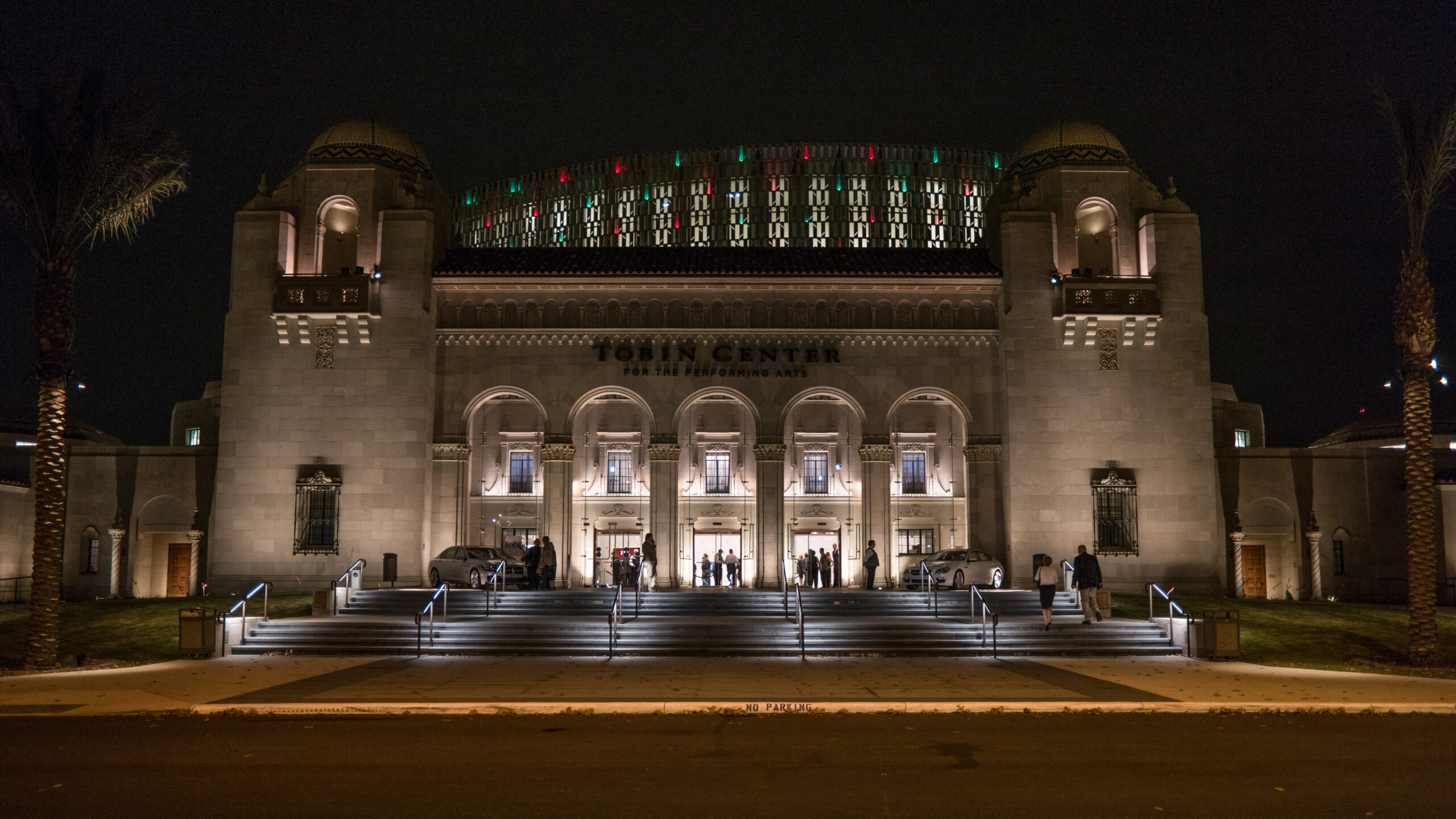
At a 1964 Teen Fair in San Antonio, a young Texas saxophonist named Bobby Keys crossed paths with the Rolling Stones — a meeting that would eventually define both their careers.
Bobby Keys grew up in the orbit of Lubbock, Texas, befriended Buddy Holly as a teenager, and hit the road at fifteen — launching a career that would take his saxophone to the top of rock and roll.
Bobby Keys was born near Slaton, Texas in 1943 — the same day as Keith Richards — and grew up in this Santa Fe Railroad town before his saxophone carried him around the world.
In the early 1960s, Guy Clark arrived in Houston and found a folk music scene where he met Townes Van Zandt, Mickey Newbury, and Jerry Jeff Walker — and where Texas singer-songwriting was born.
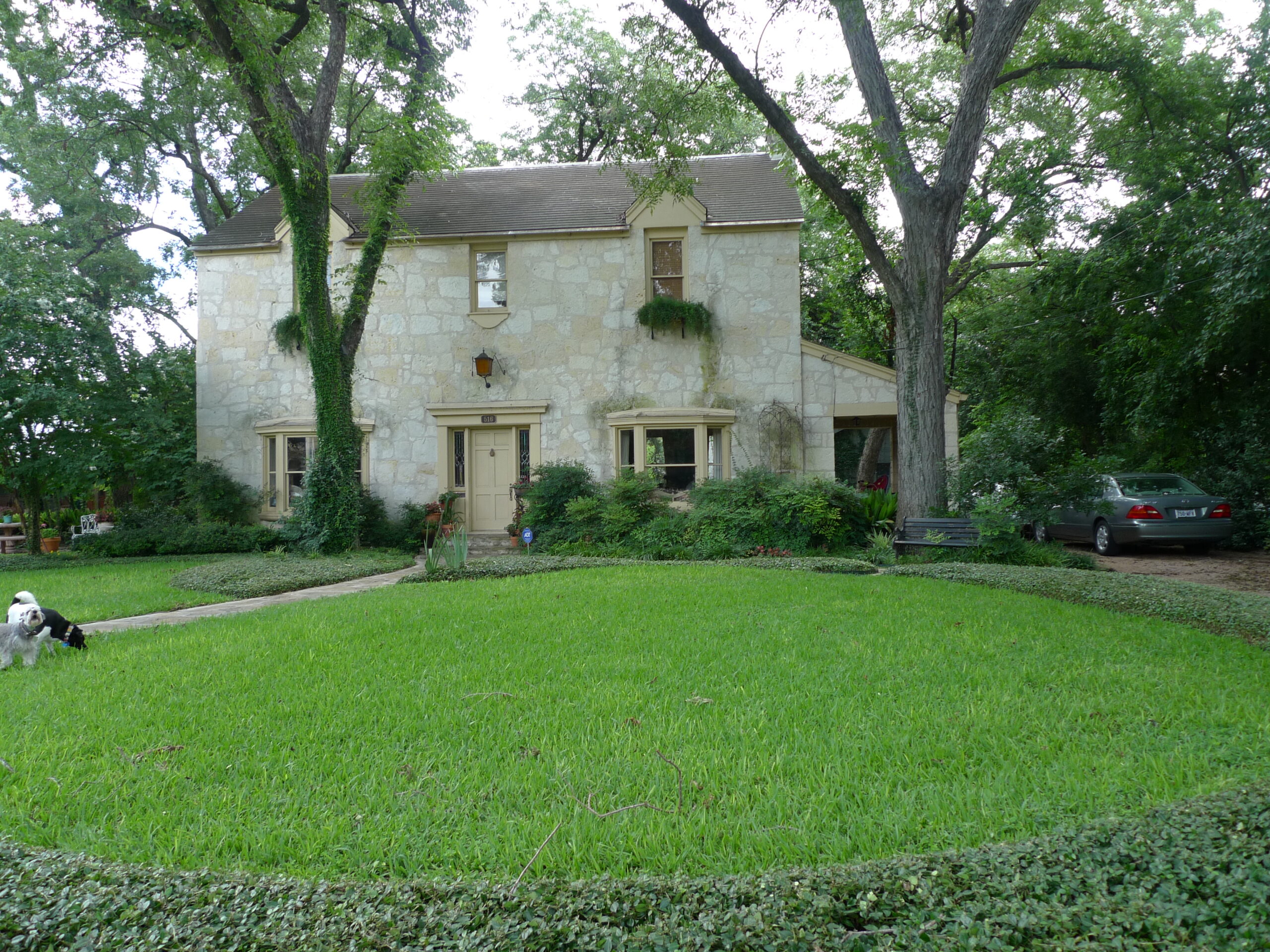
Guy Clark grew up in Rockport, Texas, on the Gulf Coast, where his father practiced law and a guitar-playing law partner sparked a lifelong obsession with music.
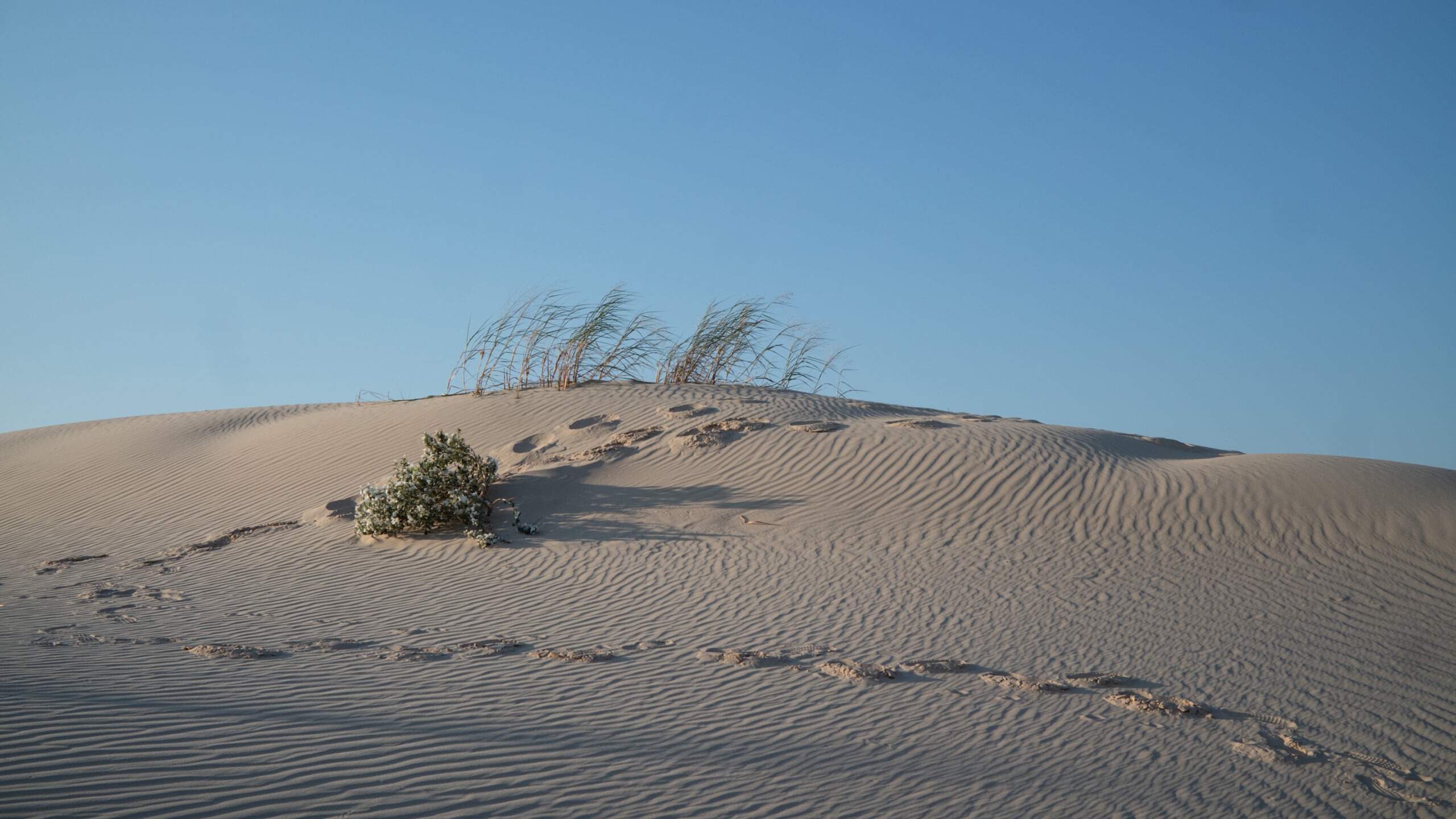
Guy Clark was born in Monahans, Texas in 1941, where his grandmother's boarding house and a man named Jack Prigg inspired one of country music's greatest songs.
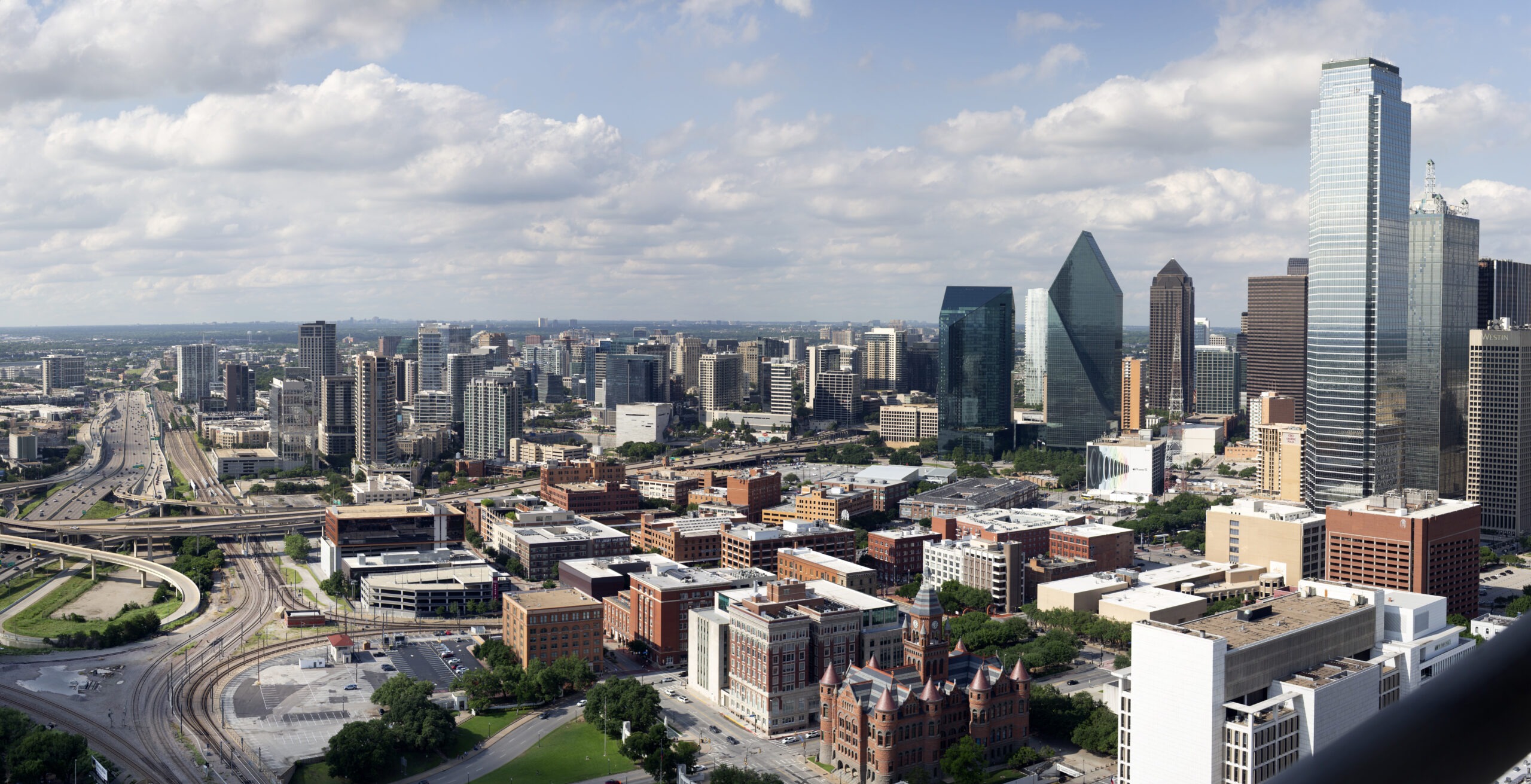
In April 1950, Lefty Frizzell walked into Jim Beck's studio at 1101 Ross Avenue in Dallas and recorded the demos that launched his career — and changed country music.
Lefty Frizzell was working the Ace of Clubs in Big Spring, Texas when a Dallas studio owner heard him sing and offered to change his life.
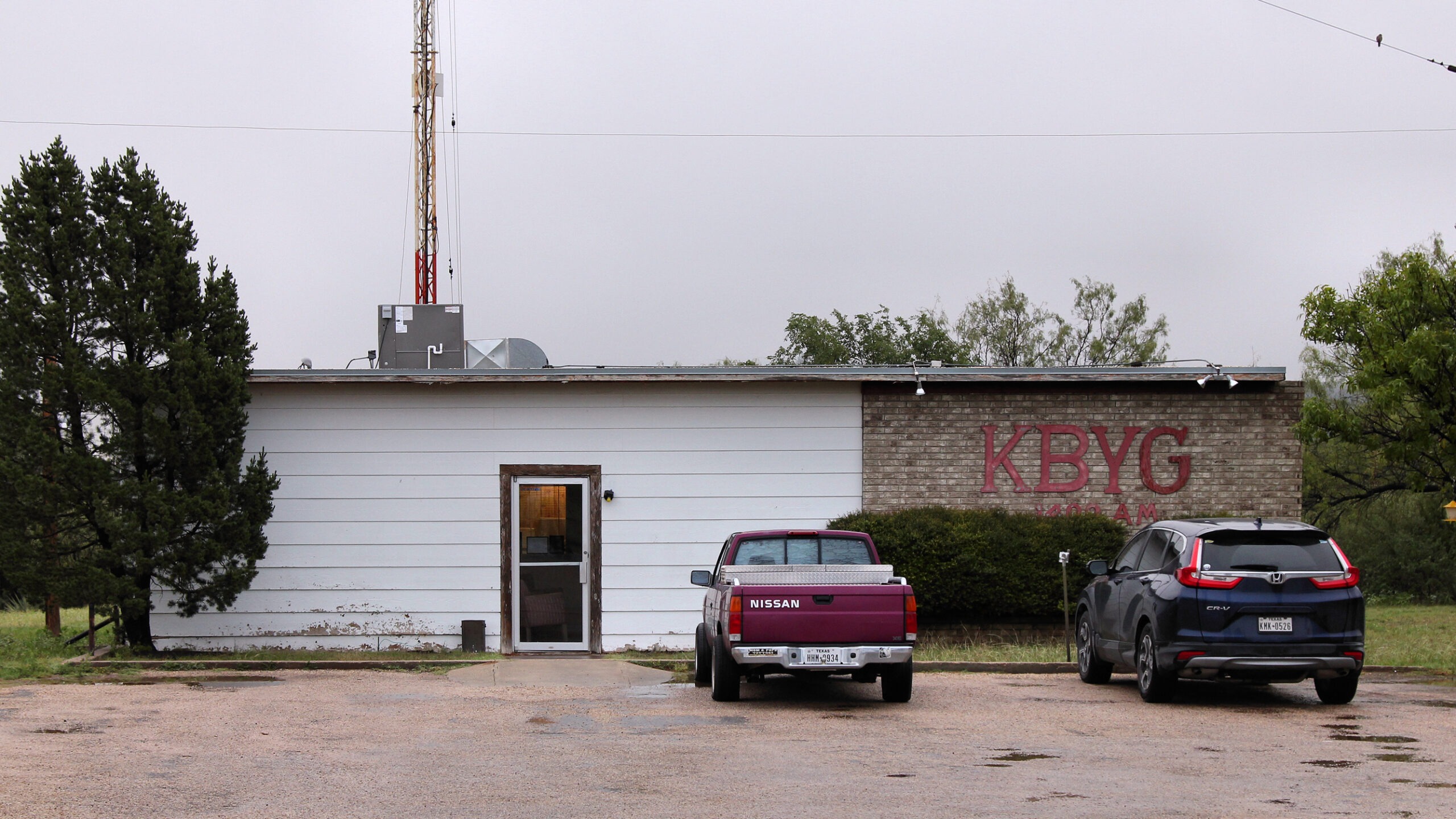
While living in nearby Greenville, a teenage Lefty Frizzell performed on KPLT radio in Paris, Texas — and met the woman who would become his wife.
Lefty Frizzell lived in Greenville, Texas during World War II — performing on local radio, developing his honky-tonk style, and meeting the woman he would marry.